 Klaron
Nutrition for Men
Understanding nutrition tailored to support men's well-being, energy levels, and daily health.
Nutritional Principles for Men's Well-being
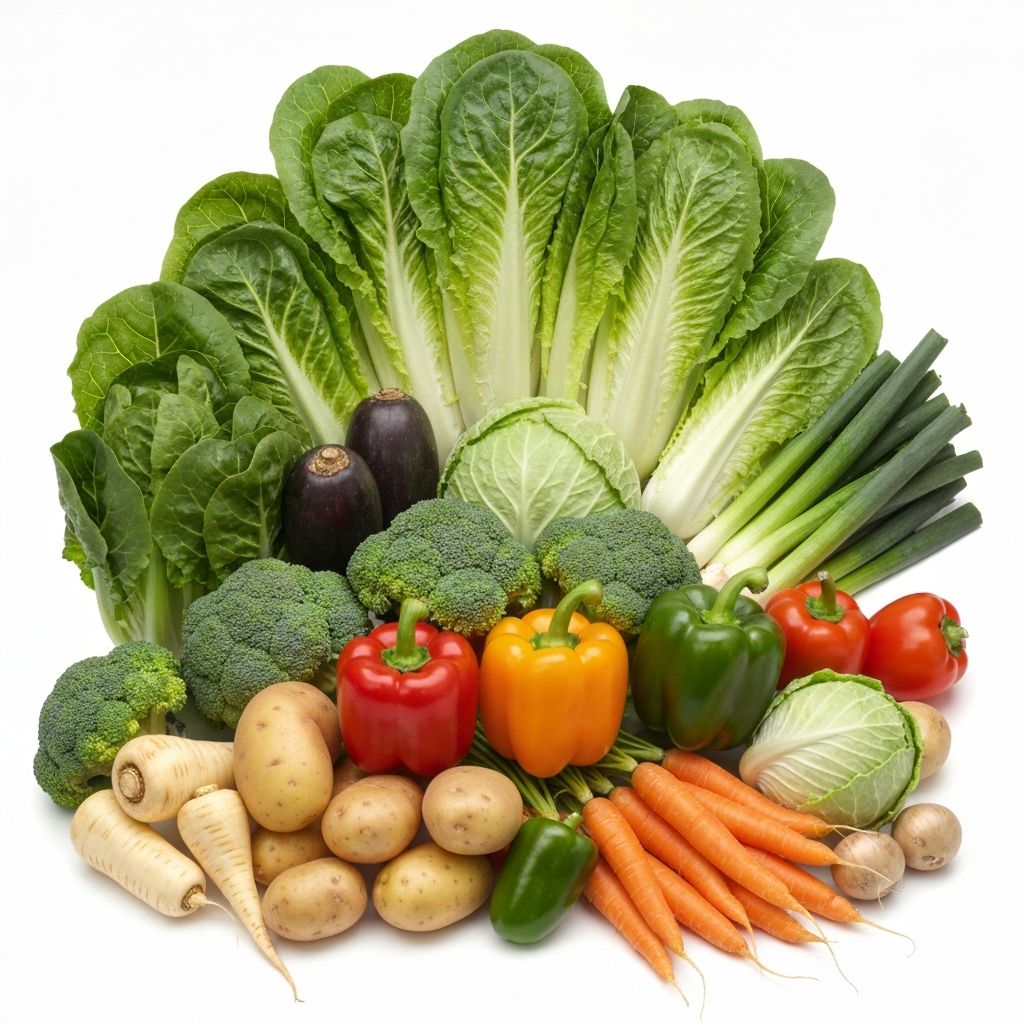
Men's nutritional needs share many commonalities with general nutrition principles, while certain considerations may be particularly relevant for supporting energy, muscle function, and overall well-being specific to men's lifestyle patterns.
Rather than viewing nutrition as something that requires special products or complex strategies, effective nutrition for men centers on consistent, balanced eating patterns and understanding how different foods contribute to health and energy.
Key Nutritional Considerations
Protein Intake
Adequate protein supports muscle maintenance and function. Sources include lean meats, fish, eggs, legumes, nuts, and dairy products. Consistent protein intake throughout the day supports muscle health and satiety.
Energy Support
Balanced carbohydrate and fat intake fuels daily activity and exercise. Complex carbohydrates from whole grains and vegetables provide sustained energy without energy crashes.
Cardiovascular Health
Healthy fats from fish, nuts, and oils support heart health. Fiber from vegetables, fruits, and whole grains contributes to healthy cholesterol levels and digestive function.
Mental Function
Nutrients like B vitamins, omega-3 fatty acids, and antioxidants support cognitive performance and mental clarity throughout the day.
Building Nutritious Meals
The Balanced Plate Approach
A simple framework for building nutritious meals:
- Half your plate: Vegetables and fruits (raw, cooked, or roasted) for fiber, vitamins, and minerals
- Quarter your plate: Lean protein source (fish, chicken, beef, legumes, eggs) for muscle support and satiety
- Quarter your plate: Whole grains (brown rice, oats, whole wheat bread, quinoa) for sustained energy
- Healthy fats: Olive oil, nuts, seeds, or avocado for nutrient absorption and satiety

Nutrients of Particular Interest
While all nutrients are important, certain ones are often discussed in relation to men's health:

Vitamin D
Supports bone health and immune function. Sources include fatty fish, eggs, and natural sunlight exposure.

Zinc
Supports immune function and protein synthesis. Found in oysters, beef, legumes, nuts, and seeds.

Magnesium
Supports muscle function and relaxation. Found in pumpkin seeds, almonds, spinach, and legumes.
Practical Nutrition Tips
- Plan meals: Simple meal planning ensures balanced nutrition throughout the week.
- Prioritize whole foods: Focus on unprocessed foods that provide more nutrients per calorie.
- Stay hydrated: Water is essential for all body functions. Drink consistently throughout the day.
- Include vegetables: Aim for variety and color—different vegetables provide different nutrient profiles.
- Don't skip breakfast: Starting the day with balanced nutrition sets a positive tone for energy and focus.
- Balance portions: Balanced portions of each food group ensure adequate nutrition without excess.
- Limit processed foods: Processed foods often contain added sugars, unhealthy fats, and sodium.
- Eat consistently: Regular meals and snacks maintain stable energy and prevent overeating.
Important Context
This section provides educational information only. Individual nutritional needs vary significantly. Factors like age, activity level, health conditions, medications, and personal preferences all influence dietary requirements.
If you have specific health concerns or want personalized nutrition guidance, please consult a registered dietitian or healthcare provider who can assess your individual situation.
Explore More
Learn more about macronutrients, vitamins, minerals, and balanced eating through our other educational resources.
Macronutrients Guide Back to Home